Fishing
Shore Fishing on Loch Ryan: A Beginner's Guide to Tides, Baits, and Permits
Loch Ryan is one of the friendliest places in Scotland to learn shore fishing. The water is sheltered, the ground is mostly sand and mud rather than jagged rock, and most marks sit a short walk from somewhere you can park. None of that makes it automatic. The loch has its own rhythm, and the anglers who catch steadily are the ones who turn up on the right tide, with the right bait, in the right spot. Here is what to know before your first cast.
Why the Loch Suits a Beginner
Loch Ryan runs roughly north to south along the Rhins of Galloway, opening to the North Channel at the northern end and narrowing to Stranraer at the head. Because it is almost enclosed, it behaves more like an estuary than open coast. That shelter is the whole point: on a day when the Mull of Galloway is unfishable, you can usually find a comfortable mark inside the loch.
The mixed ground is the second attraction. Sand, mud, shingle and the odd patch of weed and rock mean a simple bottom bait will usually find fish. Flounder, dab and plaice are the everyday species, with whiting and codling showing more in the colder months. Dogfish are common in summer, conger eels come out of the rougher pockets after dark, and thornback rays reward anyone fishing a bigger bait from deeper water. Mackerel appear in the warmer months, mostly from the more exposed points.
Tides: When the Loch Comes to Life
Two high waters a day, roughly twelve and a half hours apart, is the basic pattern. Around the new and full moon you get spring tides with more water moving; a week either side, neap tides are smaller and often slower. Loch Ryan's tidal streams are modest compared with the open Solway or the Mull, which is good news for holding bottom, but it also means the feeding window is narrower than you might expect.
Most anglers do best over the last two hours of the flood and the first of the ebb, as fish move in over the flats to feed. High water slack can be dead, and a colourless neap tide is hard work. If you only get one session, choose a spring tide and fish it into dusk or darkness.
Print a tide table for Stranraer, which is the reference port for the loch, or ask in a local tackle shop. Work out when high water falls, then aim to be set up about ninety minutes before it. Avoid wading the mud at the head of the loch; soft patches are not always obvious.
Marks Worth Knowing
The head of the loch
Around Stranraer the water is shallow and the ground is mainly sand, mud and shingle. The area near The Scar is a well-known flattie mark and easy to reach, which makes it busy at weekends. Bishop Burn on the eastern side is similar and fishes well after dark for flounder, whiting and the occasional eel. This is the safest part of the loch in a blow.
The west shore
Soleburn, Kirkcolm and the ground towards Leffnoll Point offer quieter fishing, a bit more walking and a mix of sand and rougher patches. It is worth exploring on a falling tide to see what the ground looks like before you commit to a night session.
The northern end
Towards Corsewall the loch opens out and the water deepens and moves faster. It is the most productive area for rays and bigger fish, and the most exposed. Pick a settled forecast, and never fish it alone in a rising sea.
A Starter Kit That Will Do the Job
You do not need much, and you certainly do not need to spend a fortune before you know whether you enjoy it.
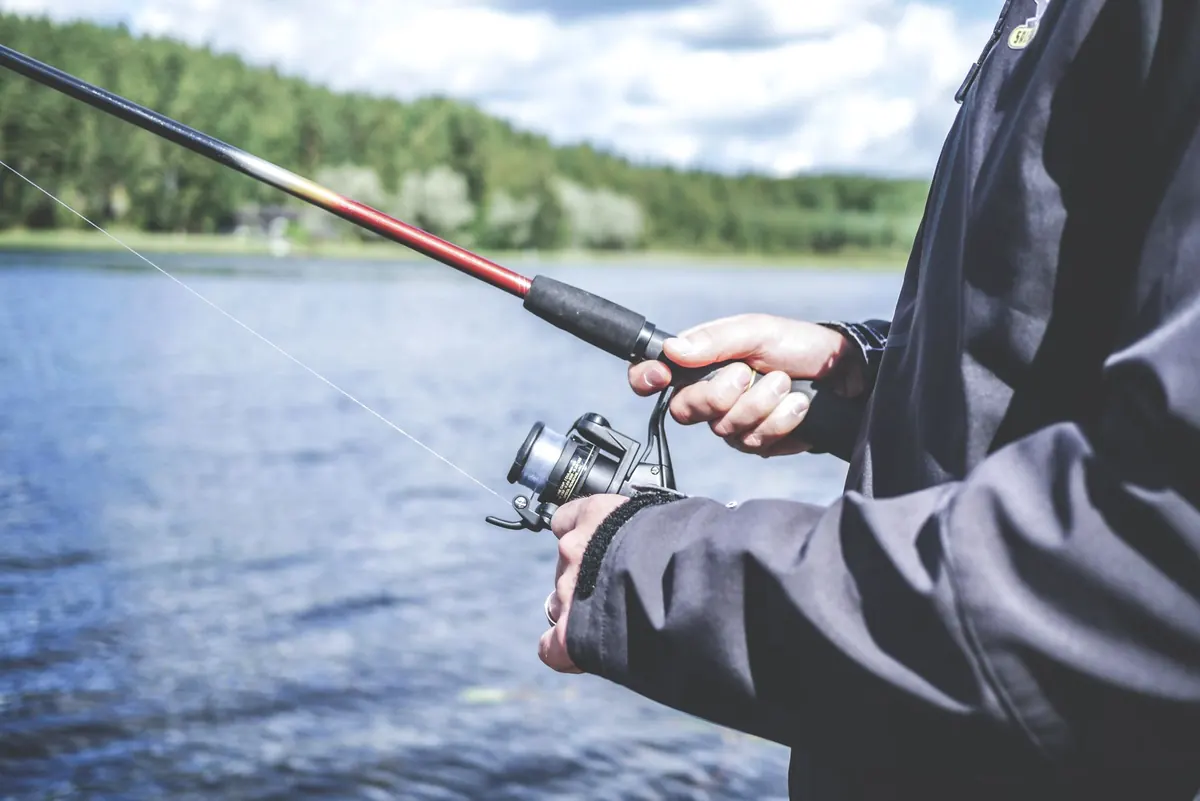
- A 12 to 13ft beachcaster, or a heavy spinning rod if you already own one
- A fixed spool reel loaded with 15 to 20lb line
- Breakaway leads in 3 to 5oz; a 4oz lead usually holds well in the loch
- A simple two-hook flapper rig for flatfish, and a running ledger or pulley rig for codling, rays and conger
- Hooks from size 2 up to 1/0 for flatties, 3/0 to 4/0 for bigger baits
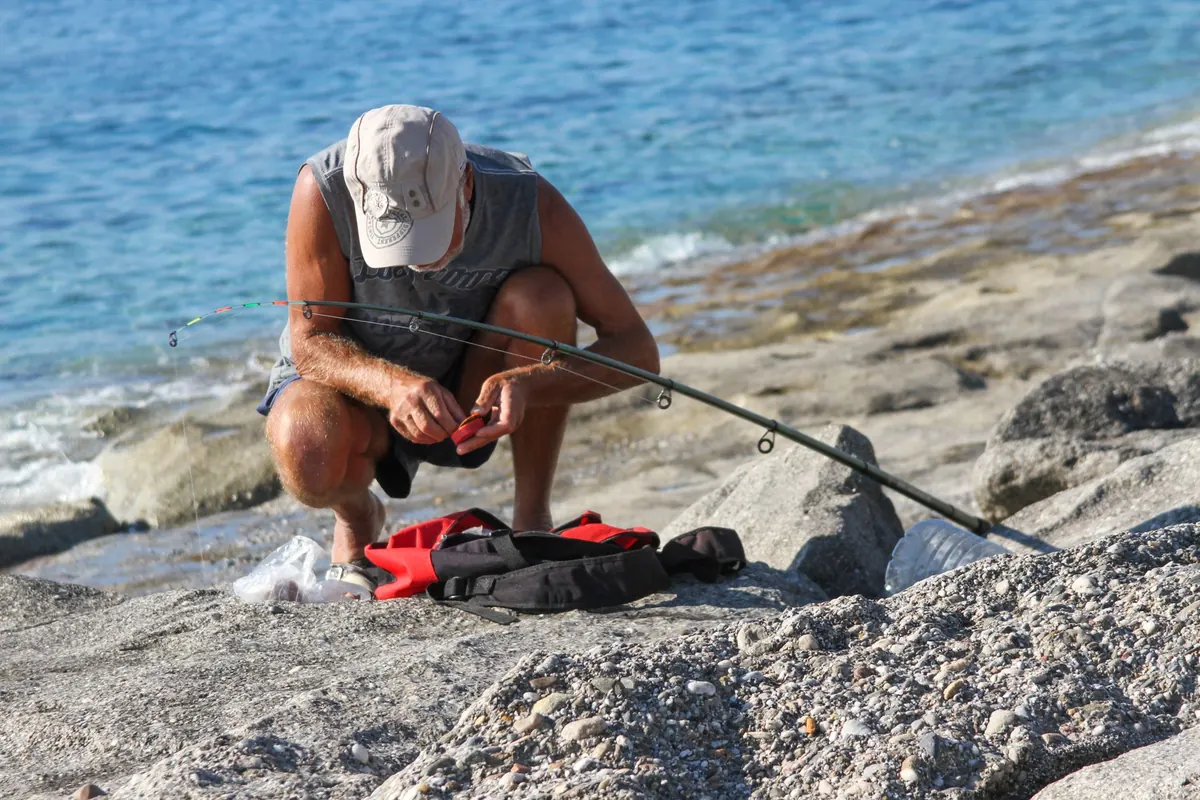
- Headlamp with spare batteries, rod rest, bait box, scissors and a cloth
- Forceps or a disgorger, plus a wet towel or mat for unhooking fish
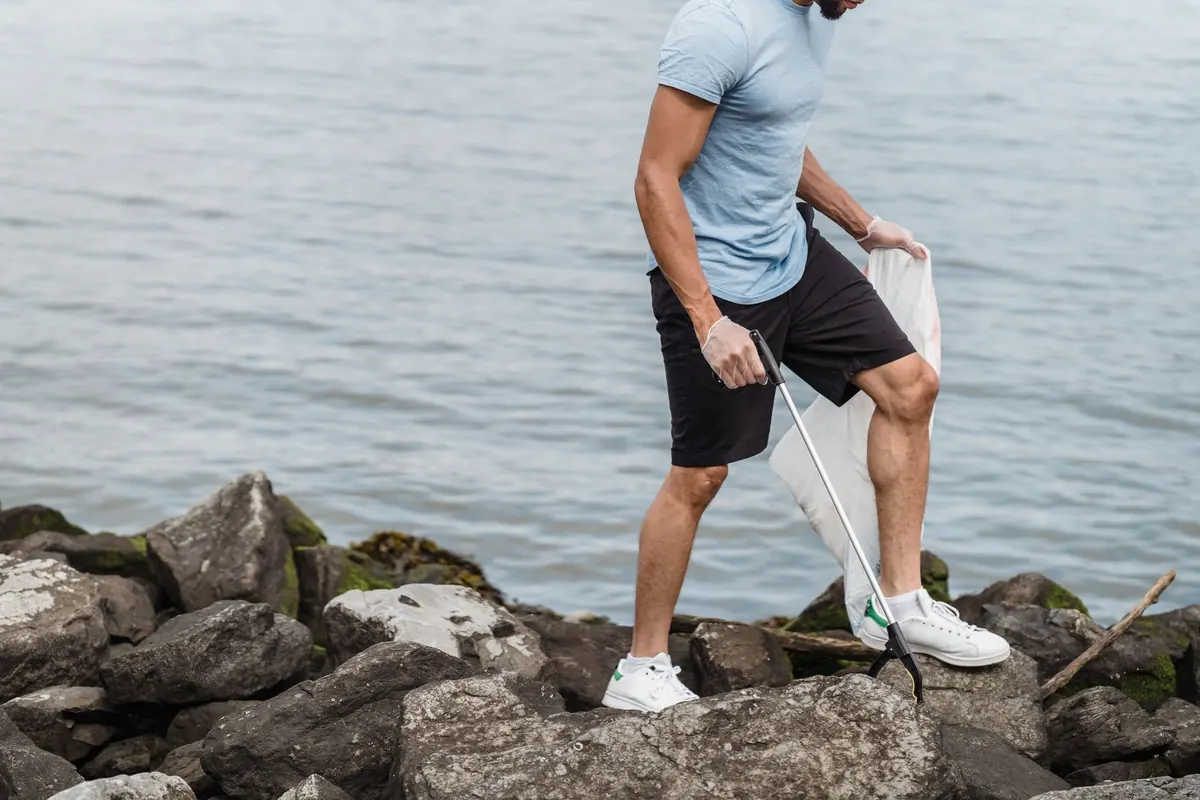
- A bin bag. Take everything home with you, including line offcuts
Baits That Work
Ragworm and lugworm are the workhorses and will catch almost everything in the loch. Mackerel strip and squid add scent and stay on the hook through a cast; sandeel is worth trying for rays and bass, and crab is a good winter bait for codling. Cocktail baits, a worm tipped with a sliver of mackerel, often outfish a single bait. Bind soft baits with elastic or bait cotton so they survive the cast, and carry a small cool bag in summer. Frozen bait is fine, but fresh is better if you can get it.
Permits, Access and the Rules People Miss
Sea angling from the shore in Scotland does not require a rod licence, which makes Loch Ryan an easy place to start. That does not mean there are no rules, and a few local points matter.
- Keep clear of the ferry port at Cairnryan, its berths and its approaches. The area is subject to security restrictions, and the wash from a moving ferry is genuinely dangerous.
- Ask the harbour authority before fishing inside Stranraer harbour or around the marina, and keep lines away from moorings and the shipping channel.
- Salmon and sea trout are protected, and fishing for them requires a legal right. If you accidentally hook one, return it carefully and quickly.
- The loch supports a managed shellfish fishery. If you plan to gather mussels, cockles or oysters, check the current position with Marine Scotland first.
- Access across farmland is by permission, not assumption. Use gates properly and do not block field entrances.
Rules change, so confirm the current position with Marine Scotland, the local authority or a tackle shop in Stranraer before you go. For anything with a legal edge to it, take proper advice rather than relying on what someone told you on the pier.
Before You Go
Check the tide table and the forecast together, and be honest about whether the wind suits your chosen mark. Tell someone where you are going and when you expect to be back; mobile signal is patchy along parts of the west shore. Fish remote marks with a companion, watch the weather coming in from the north, and never turn your back on the sea. Dress for wind rather than temperature, because the loch is colder than the car park suggests.
Do those things and Loch Ryan will look after you. Start simple, fish the flood, and let the loch tell you where the fish are.
Photo: Feyza Tuğba / Pexels