Conservation

How to Leave No Trace at a Scottish Loch: A 7-Point Checklist
There's a bay on Loch Lomond where you can read the weekend in the stones. A blackened ring. Bottle tops. A wet wipe snagged in the reeds. Nobody who left that set out to damage anything. They were cold, hungry, or packing up in the rain, and good intentions rarely survive a wet tent.
Leaving no trace isn't about tiptoeing around like a guest in someone else's house. It's a short list of habits that keep a loch worth the drive back. Here's what to check before, during and after a visit.
1. Plan the road in and the pitch itself
Most loch-side conflict starts at the verge. Single-track roads have passing places for passing, not for parking, and a car left half on soft grass can churn a bank that takes years to recover. It can also block access for crofters, rangers, and anyone who needs to get a vehicle down to the water.
Before you go, check the current local rules. Loch Lomond and the Trossachs runs camping management byelaws in certain areas, typically through the spring and summer, which can mean permits or restrictions on where you can pitch. Woodland estates and some popular shores also bring in seasonal fire and BBQ bans when conditions dry out. Rules shift year to year, so check the national park authority or the landowner's own site rather than trusting an old blog post. Scotland's access rights under the Scottish Outdoor Access Code cover most land, but they come attached to responsibilities — and to other people's livelihoods.
Have a plan B for the night: a campsite, a bothy, or a lower pitch if the wind is coming up the glen. And tell someone where you're going and when you're due back.
2. Pack it out, including the things people forget
Take a rubbish bag before you need one. A rubble sack is sturdier than a carrier bag and won't split on a fence post. Take a second for wet or food waste.
The obvious litter gets picked up. The rest gets missed:
- Wet wipes. They don't rot. They end up woven into reeds and on the tideline.
- Fruit peel and cores. Orange peel can take a long time to break down in a Scottish climate.
- Tea bags and coffee grounds. Many tea bags contain plastic, and food scraps pull in gulls, rats and foxes.
- Cigarette butts. The filters are plastic, whatever the packet suggests.
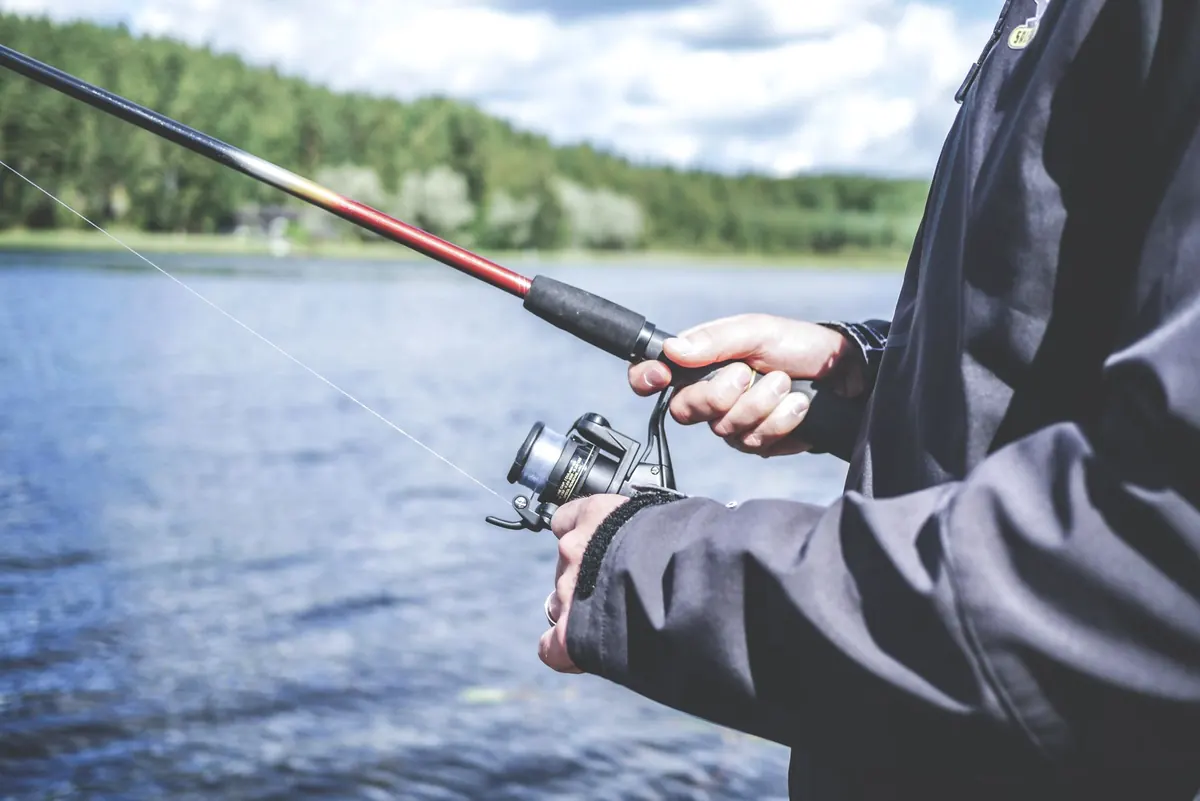
- Fishing line and hooks. A lethal tangle for birds, otters and swans.
- Balloons, glitter and "biodegradable" confetti. Leave them at home.
- Foil, cans and burnt scraps left in a fire ring.
If the bin at the car park is overflowing, that is not permission to stack bags beside it. Wind and gulls will have the mess spread across three hundred metres by morning. Take it home with you.
3. Toilets, soap and grey water
Use the toilets at the main car parks before you head down the shore. It sounds obvious and it solves most of the problem. If there's genuinely nothing, go at least 30 metres from any water, path or pitch, dig a hole 15 to 20 centimetres deep, and carry the paper out in a bag. Sanitary items always get packed out, no exceptions.
Don't wash in the loch. Soap, shampoo and washing-up liquid — including the biodegradable sort — aren't good for freshwater life in the quantities a family produces. Take a bowl of water well away from the shore, use as little as you can, and scatter what's left across the ground rather than tipping it into the water. Strain food bits out of dishwater and put them in the rubbish bag, not in the reeds.
Suncream, insect repellent and spilled stove fuel all belong out of the water too. Refuel a stove on open ground, well back from the shore.
4. Fire: the mark that lasts longest
Loch shores are often peat, matted roots and dry heather. Fire can smoulder down through that and creep sideways, resurfacing hours later in a different spot. In a dry spring with an east wind, that's how hillsides burn. A fire scar on peat can still be visible in ten years.
A stove is the simplest answer, and it cooks faster than a damp fire anyway. If you do want a fire, check the rules first — many areas ban open fires or disposable BBQs for part of the year, and a growing number ban them outright in woodland and on popular shores.
If you do light one
- Use an existing fire ring. Don't build a new one.
- Keep it small, and only burn dead wood lying on the ground. Don't break branches, strip bark, or raid a wildlife pile.
- Don't ring your fire with stones lifted from the shore or from a drystone wall.
- Never leave it. Douse with water, stir the ashes, douse again, then check with the back of your hand before you walk away.
- Scatter the cold ashes far from the shore and pack out foil, cans and anything half-burned.
5. Give wildlife the room it needs
Feeding ducks and swans feels generous and isn't. Bread and human food pull in gulls and rats, change the birds' behaviour, and can leave them in poor condition. Watch instead. Binoculars beat a handful of crusts every time.
Between roughly March and July, loch islands and shingle shores carry nesting divers, grebes, terns, oystercatchers and ringed plover. Keep well back, keep low and quiet, and don't linger. A bird lifted off a nest leaves eggs and chicks open to crows and gulls within minutes — that single photograph costs more than it looks. Disturbing some nesting birds is an offence, so treat the close-up as something you don't get.
Dogs need the same discipline. Around livestock and ground-nesting birds, keep them close or on a lead where the situation asks for it. Pick up after them and carry the bag; a bag hung on a branch is just litter with extra steps.
Don't handle wildlife, and don't try to rescue an injured bird yourself. Contact the Scottish SPCA and follow their advice.
6. Paths, stones and the quiet damage
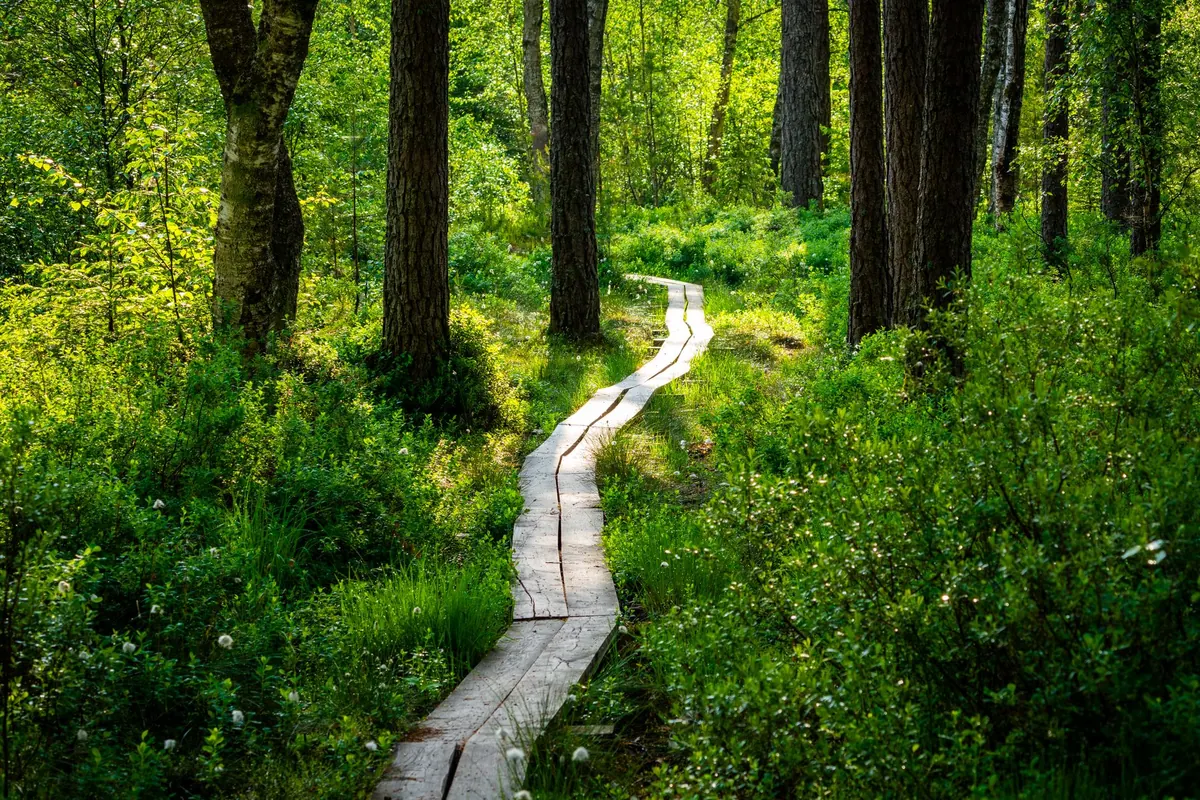
Mud on a path isn't a signal to walk around it. Every boot that skirts the puddle widens the scar, and braided paths through a bog can take years to heal. Stay on the line, use the duckboards, and clean your boots afterwards.
When you camp, pitch on hard ground, don't cut turf or dig drainage trenches, and move on after a night or two in the same spot so the grass can lift back up. Don't build anything — no cairns, no dams across a burn, no stone shelters or fairy houses. If you made it, take it down before you leave.
Leave the shore as you found it. Stones on a loch edge are habitat for invertebrates and small fish, so don't cart them off for a fire ring or a mantelpiece. Don't pick flowers, don't collect eggs, and leave antlers and bones where they lie; they're food for something else.
Finally, clean and dry your boots, boat and kit between different lochs and rivers. Invasive plants and animals travel in mud and standing water, and it takes one careless weekend to move them into a new catchment.
The five-minute check before you drive off
Walk your pitch and the strip of shore you used. Look under benches, behind rocks, and in the reeds where a bottle has rolled. Count your kit: pegs, guy lines, a stray sock, the lid off the stove fuel. Check the fire is genuinely cold. Check whether the bin has space — and if it doesn't, take it all home.
Then look back before you get in the car. If the bay still reads as a bay, with nothing of yours in it, you've done the whole thing right. Come back in five years and it will look the same, which is the only reward that matters.
Photo: Lara Jameson / Pexels