Conservation
Invasive Zebra Mussels in Scottish Lochs: An Explainer for Anglers and Boaters
Invasive Zebra Mussels in Scottish Lochs: An Explainer for Anglers and Boaters
You pull the boat out at the end of a long day, run a hand along the hull, and it feels like sandpaper. Under the waterline there are hundreds of tiny striped shells, each no bigger than a fingernail, packed tight against the paint. That's zebra mussels. They arrived by accident, they spread on wet kit, and once they are established, they are almost impossible to remove. For anyone who fishes, paddles, sails, or simply launches a boat in Scotland, they are one of the most important invasive species to understand.
What Are Zebra Mussels?
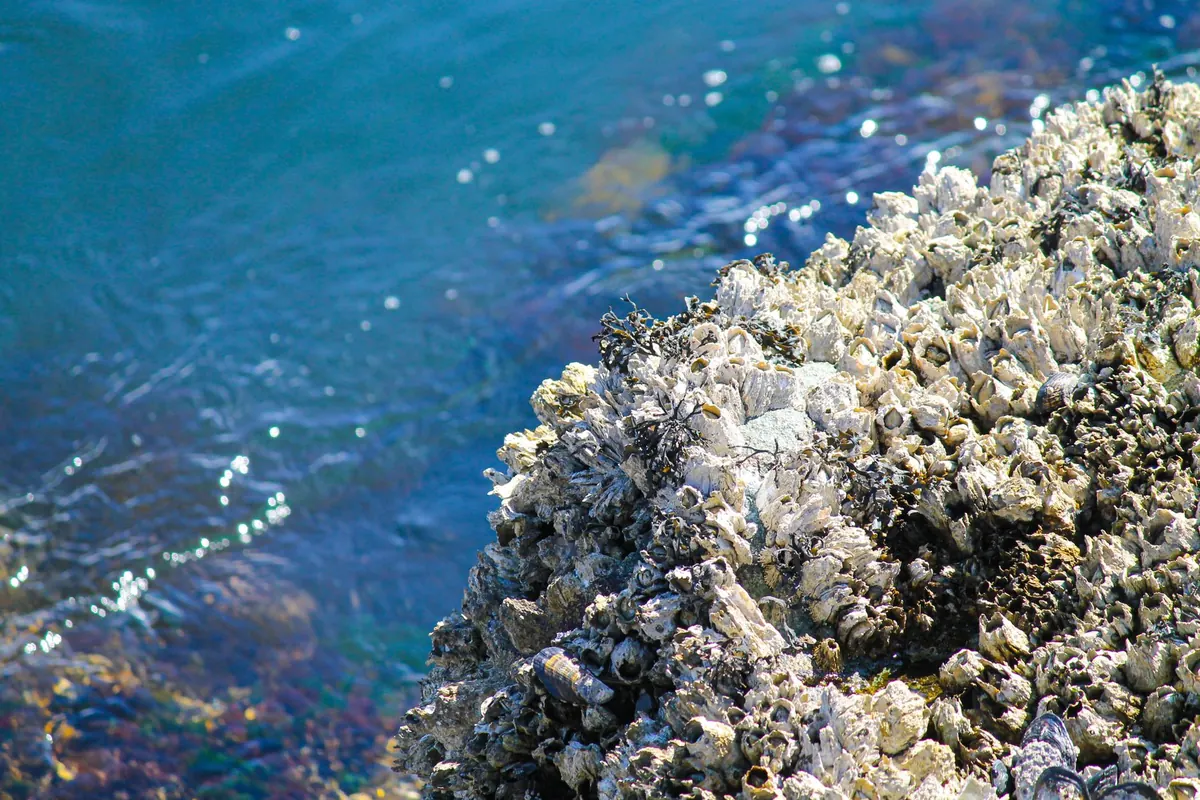
Zebra mussels are small freshwater bivalves native to the Black Sea and Caspian Sea region. They get their name from the alternating light and dark bands on their shells, although the pattern can be faint or almost solid. Most adults are 2–5 cm long, shaped like a small D or triangle, and they attach to hard surfaces with tough, thread-like structures called byssal threads. Unlike native freshwater mussels, which usually burrow into gravel and silt, zebra mussels glue themselves to almost anything: rocks, boat hulls, trailers, pipes, lock gates, buoys, and even other mussels.
They are also astonishingly productive. A single female can release hundreds of thousands—sometimes more than a million—eggs in a year. The larvae, known as veligers, are microscopic and drift in the water for weeks before settling. That means an invisible plume of larvae can travel in a bilge, a bait bucket, a livewell, or a drop of water trapped in a wader boot. By the time adults are visible, the invasion is already well underway.
Why They Matter in Scottish Lochs
Zebra mussels are filter feeders. Each one can pump and filter water to extract plankton, and dense beds can contain thousands of individuals per square metre. In some lakes, this clears the water dramatically. It sounds harmless, even attractive, but clear water is not the same as healthy water. By stripping out plankton, zebra mussels can starve native fish larvae, snails, and other invertebrates. They can also shift the whole food web, encouraging light-loving plants and algae in some places while reducing food for fish in others.
Native freshwater pearl mussels are especially vulnerable. Zebra mussels attach to their shells in thick clusters, smothering them and competing for food. Pearl mussels are already endangered and slow-growing, so any additional pressure is serious. Zebra mussels can also foul water intakes, hydroelectric pipes, fish-farm cages, and navigation locks, creating costly maintenance problems. Their sharp shells can cut feet, paws, and hands, and they can ruin the smooth finish of a hull or the working parts of an outboard.
Loch Ken, Loch Lomond, and the Canal Connection
In Scotland, zebra mussels were first confirmed in Loch Ken in Dumfries and Galloway in 2003. Since then, established populations have been found in other water bodies, including Loch Lomond, and in parts of the canal network. Canals are particularly worrying because they link catchments that would otherwise be separate. A boat that moves from an affected canal to a clean loch can carry adults on its hull or larvae in trapped water. That is why biosecurity is not just for long-distance travellers; it applies to anyone moving between waters, even a few miles apart.
Not Every Loch Is Equally Vulnerable
Zebra mussels need calcium to build their shells, so they tend to thrive in alkaline, calcium-rich waters. Many Scottish lochs are soft, peaty, and acidic, which makes them less suitable. But "less suitable" does not mean safe. Some lochs, rivers, and canals have the right chemistry, and a changing climate or a new introduction could tip the balance. The safest assumption is that any water body connected to, or visited by, mobile boats and anglers could be at risk.
How They Spread
Zebra mussels do not walk to new lochs. They hitchhike. The main pathways are boats, trailers, and angling equipment that have been in contact with infested water. Because larvae are microscopic, you cannot rely on a visual check alone.
- Boat hulls and trailers: Adults attach to hulls, keels, rollers, bunks, and axles. Larvae can survive in damp carpet, rope, and trapped water.
- Engines and bilges: Outboards, inboards, cooling systems, bilge pumps, and livewells can hold water from one loch and release it into another.
- Angling gear: Waders, boots, nets, keepnets, weigh slings, unhooking mats, bank sticks, and anchors can all carry fragments, mussels, or larvae.
- Paddling and watersports kit: Kayaks, canoes, paddleboards, dry bags, and buoyancy aids can trap water and organic matter.
- Bait and buckets: Water from a bait bucket or a livebait tank should never be tipped into a loch or river.
- Natural movement: Birds and other wildlife may move small mussels occasionally, but human activity is the main reason they appear in new catchments.
What Anglers and Boaters Can Do
The national biosecurity message is simple: Check, Clean, Dry. It takes a few extra minutes, and it is the single most effective thing you can do.
- Check every surface that has been in the water. Look at the hull, trailer, rollers, prop, anchor, ropes, nets, waders, and boots. Remove any visible mussels, plants, mud, or debris. Pay attention to crevices, seams, and damp pockets.
- Clean everything thoroughly. Use hot water and
Photo: James Hohner / Pexels